01
Spatial Integration
Assets are not isolated purchases but nodes in a broader spatial landscape. Our models ensure each acquisition aligns with the existing geometric structure of your capital.
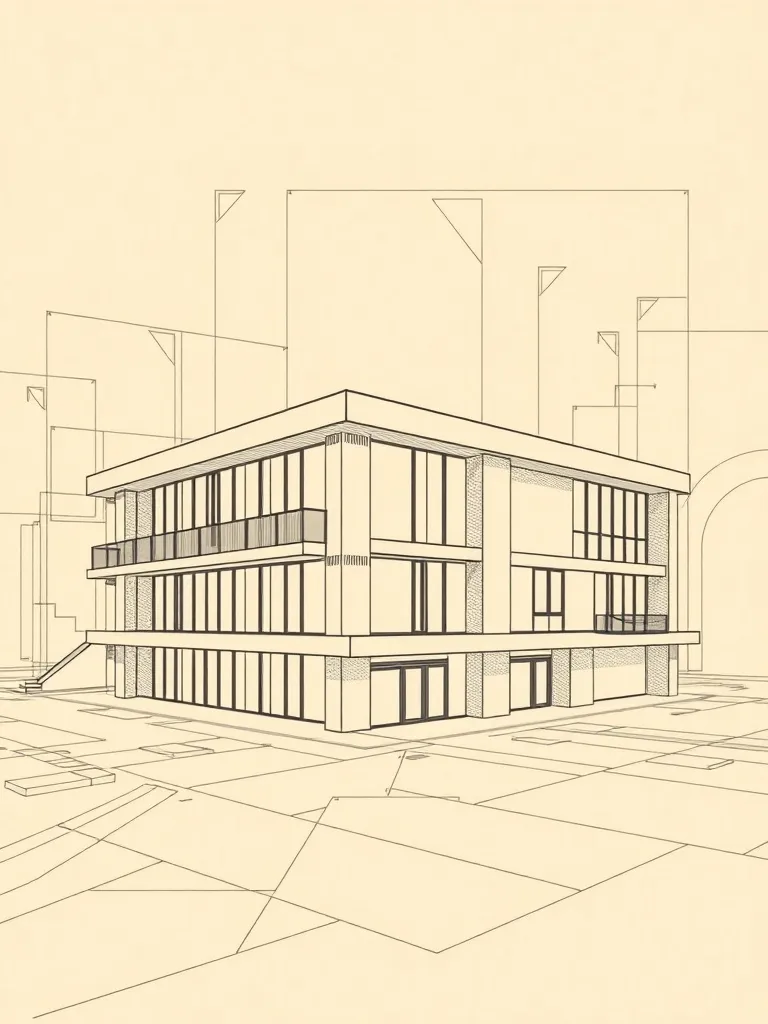
Implementation of geometric time-modeling for long-term capital accumulation. We define the spatial structure of asset acquisition through rigorous linear projection and structural stability metrics.
New guides and news straight to your email.
The standard temporal unit for large-scale asset planning. According to the Normative Basis, a five-year projection allows for the integration of market cycles into the individual accumulation path without reliance on external credit structures.
Assets are not isolated purchases but nodes in a broader spatial landscape. Our models ensure each acquisition aligns with the existing geometric structure of your capital.
We calculate the trajectory of resource flow. By maintaining a strict linear progression, we eliminate the turbulence associated with high-interest debt instruments.
Planning requires a fixed volume of contribution. This structural stability ensures that the long-term geometry of the plan remains intact despite market fluctuations.
Long-term planning operates on the principle of horizontal expansion. Unlike vertical debt structures that stack liabilities, horizontal planning spreads the cost across a defined time geometry. This method is detailed in our Asset Acquisition Methodology, emphasizing the importance of fixed intervals.
To maintain the integrity of the plan, we apply inflation boundary adjustments. This involves recalculating the required capital volume every 12 months to ensure that the purchasing power of the accumulated reserve matches the spatial requirements of the target asset.
Effective allocation requires a strict 70/30 split between operational liquidity and strategic accumulation. This ratio ensures that the architectural integrity of the long-term plan is never compromised by short-term spatial needs. For specific toolsets, refer to our Financial Infrastructure section.
Transition from reactive spending to structured horizontal planning. Access the full archive of technical documentation today.